
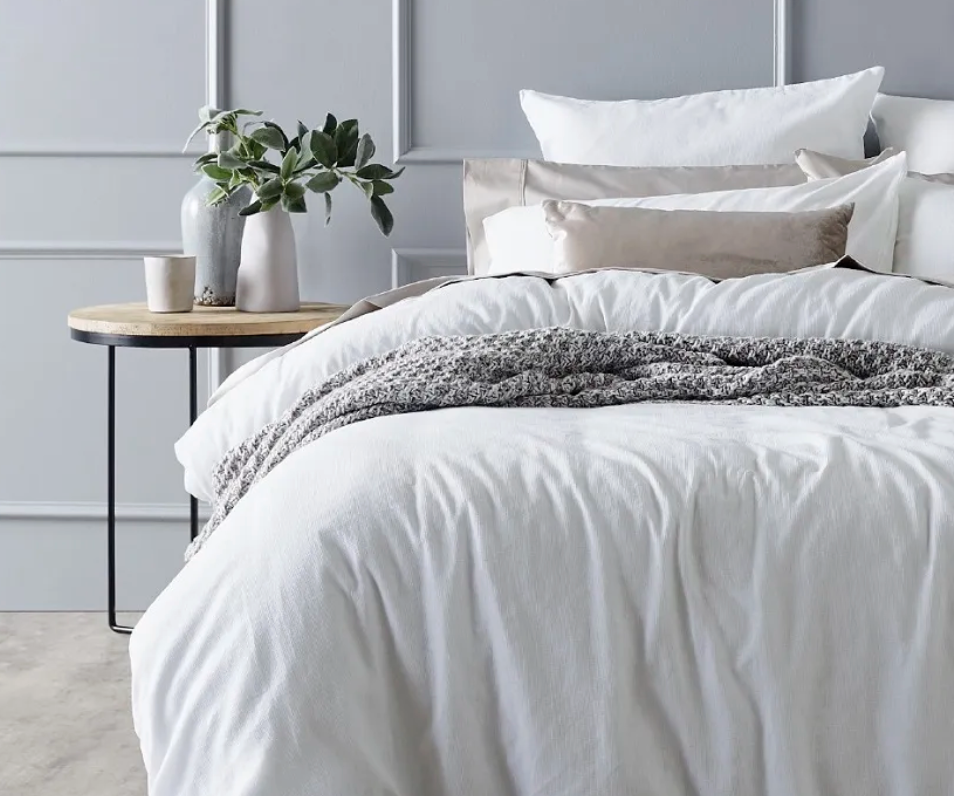
How to decorate your student accommodation safely and stylishly
Decorating your student accommodation: dos and don’ts What to Avoid
Read articlePractical guidance for choosing student accommodation and preparing for life in Singapore.
Decorating your student accommodation: dos and don’ts What to Avoid
Read article
Pests are usually attracted by conditions that provide food, moisture, or shelter. The most common causes include: Food crumbs or lingering smells in the room

A short packing guide for students: prescription medicines, a small first-aid kit, what Singapore allows you to bring in, and where to see a doctor after you arrive.
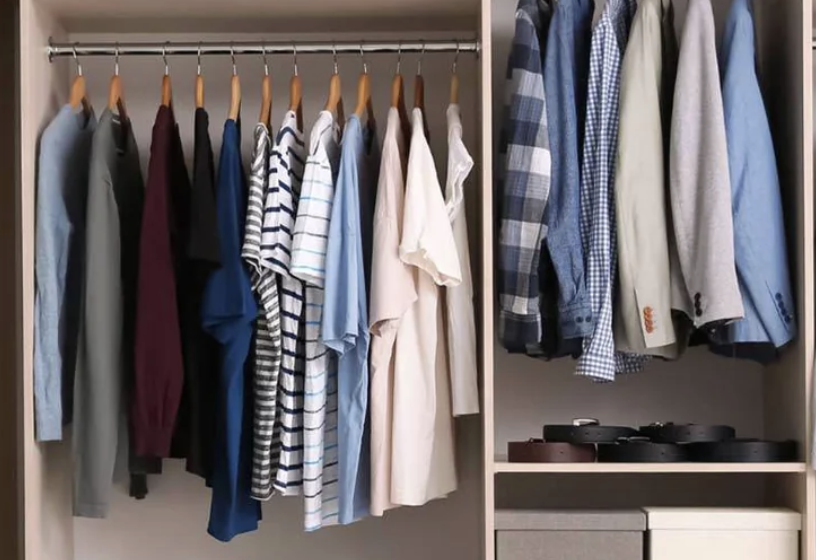
Shared student accommodation in Singapore requires thoughtful organisation. Efficient use of space not only improves comfort but also enhances privacy, cleanliness and daily functionality.
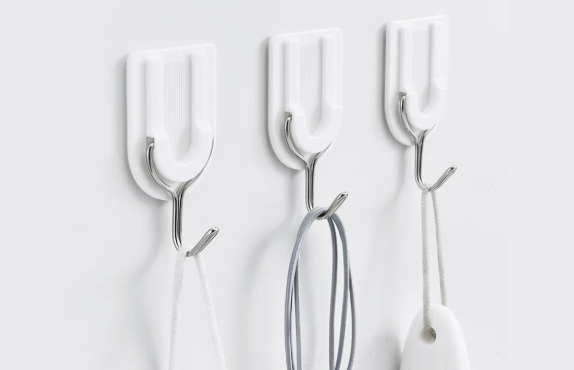
To maintain a clean and consistent living environment for all residents, students are reminded not to attach or install items on walls, wardrobes, cabinets or other built-in surfaces.
What happens to your Student’s Pass when your course ends, the short visit pass you usually get, and the Long-Term Visit Pass for graduates looking for a job.
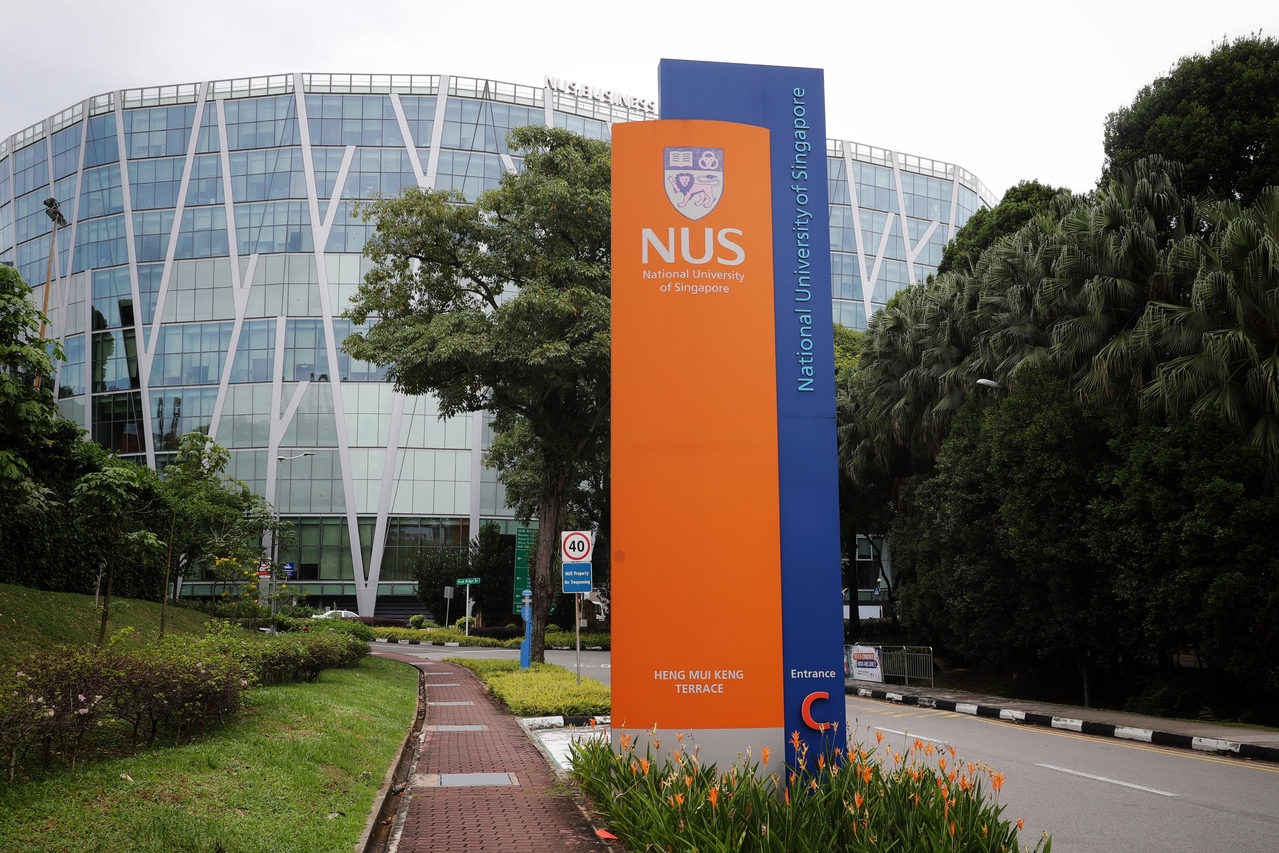
Moving to a new country to study is exciting and tiring at the same time. Simple habits that help you settle in, signs that it is time to talk to someone, and where to get support.
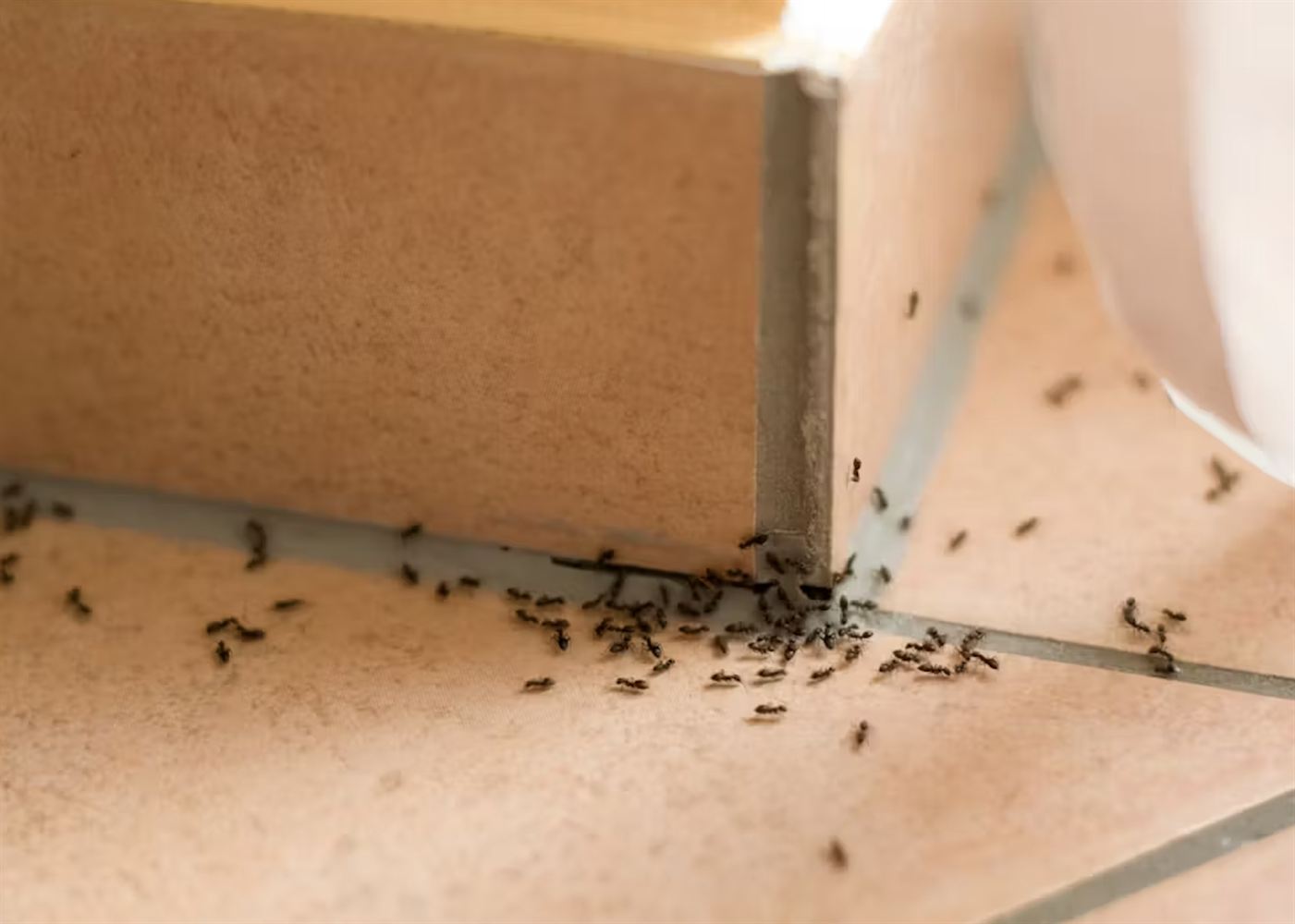
A Practical Guide for Students in Singapore
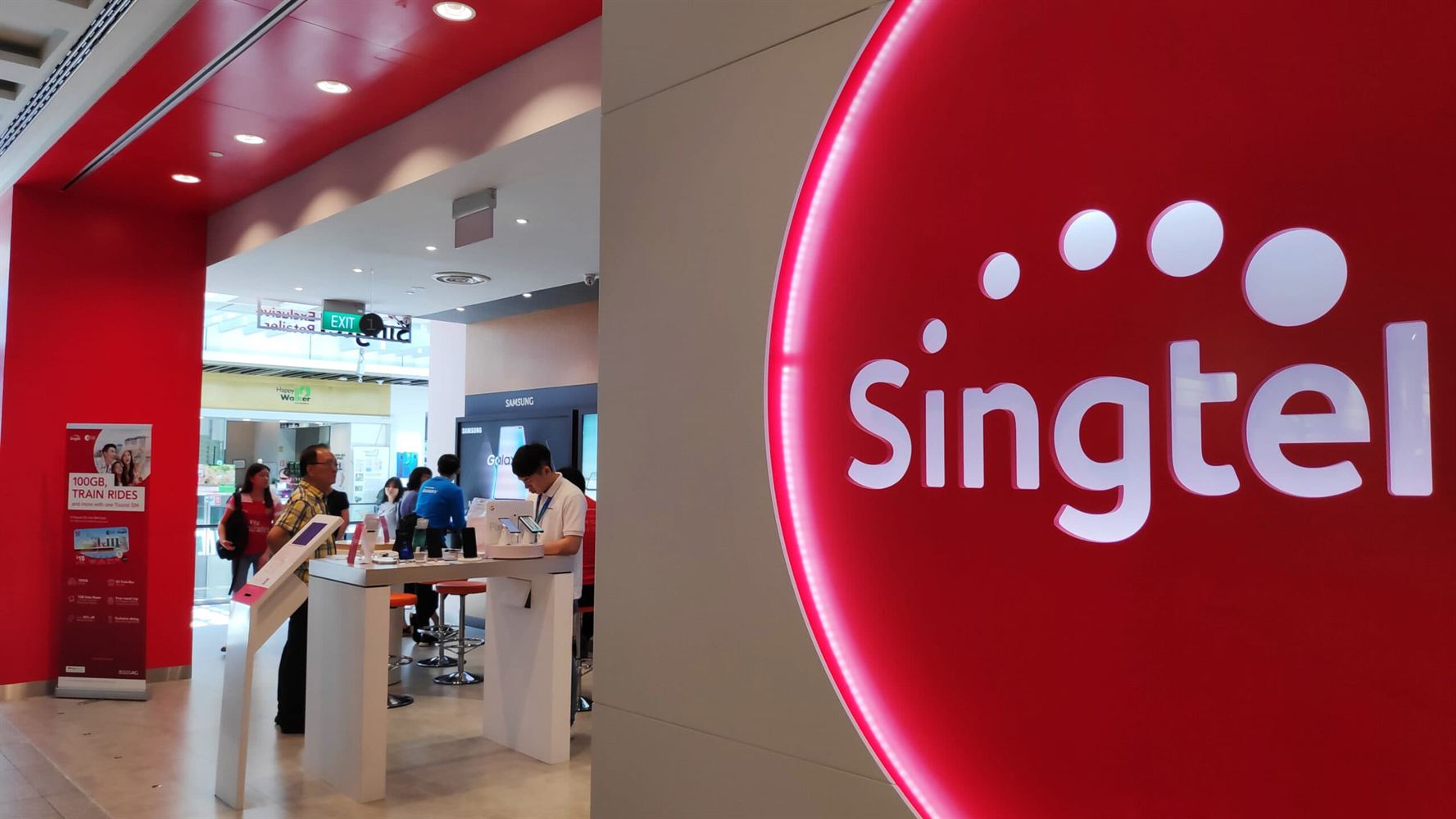
Access to reliable mobile connectivity is an essential part of settling into life in Singapore.
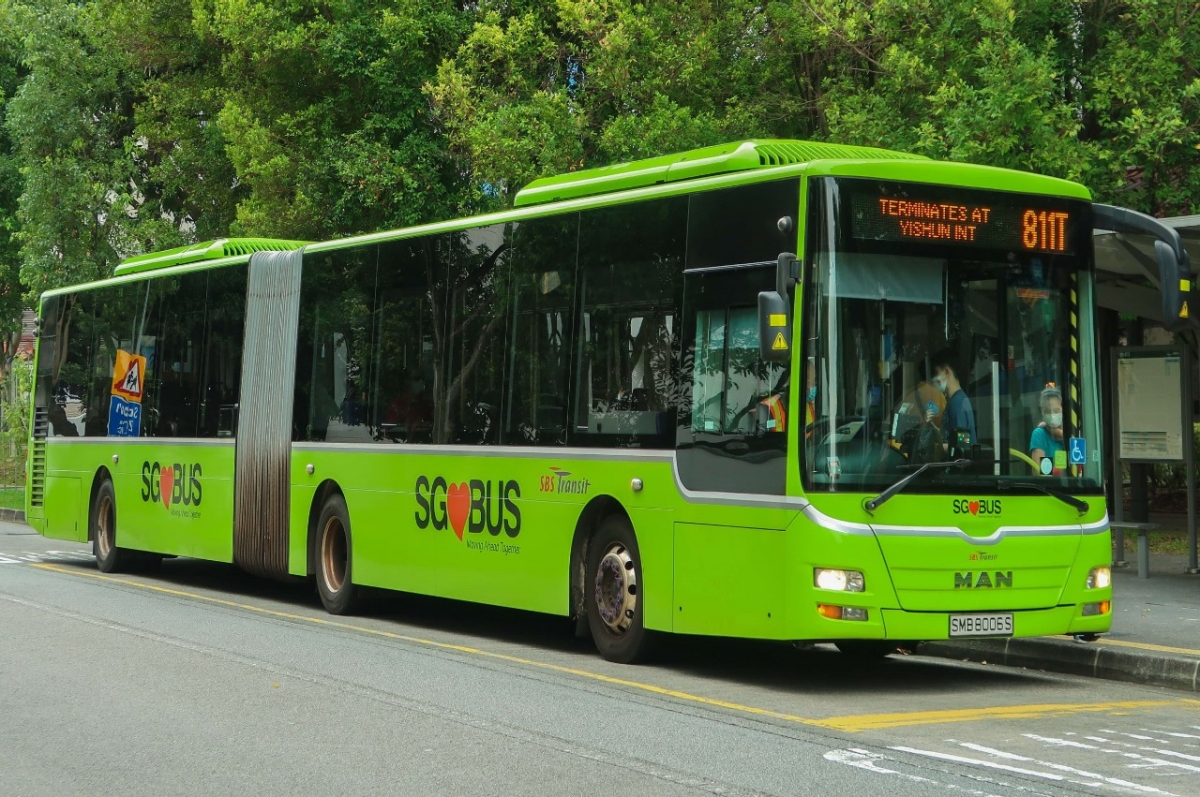
Singapore’s public transport system is efficient, well-regulated and widely regarded as one of the most reliable urban transit networks globally.
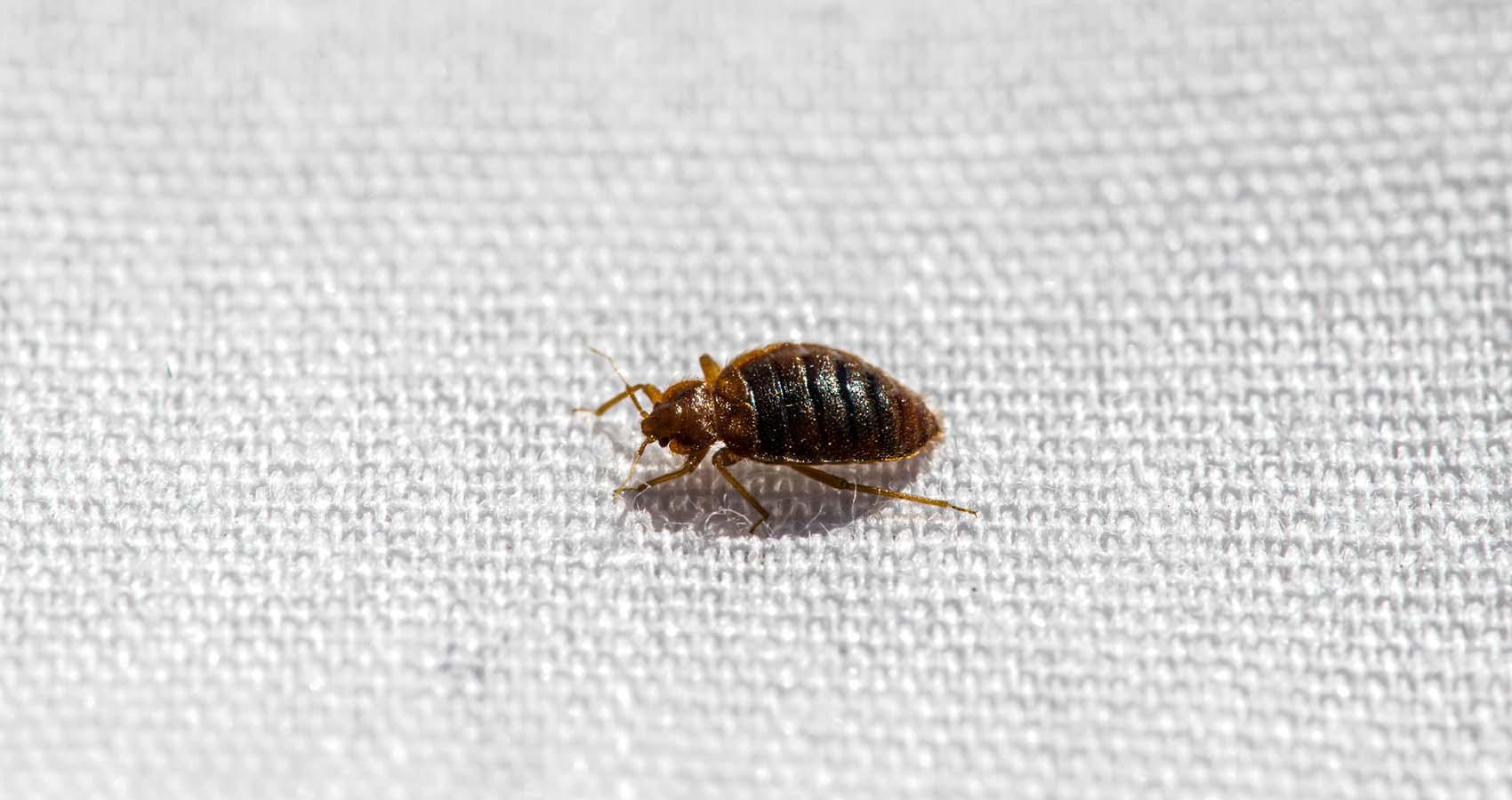
Bed bugs are a global urban pest and can occasionally appear in high-density cities, including Singapore. While their bites do not typically transmit disease, they can cause itching, discomfort and sleep disturbance.
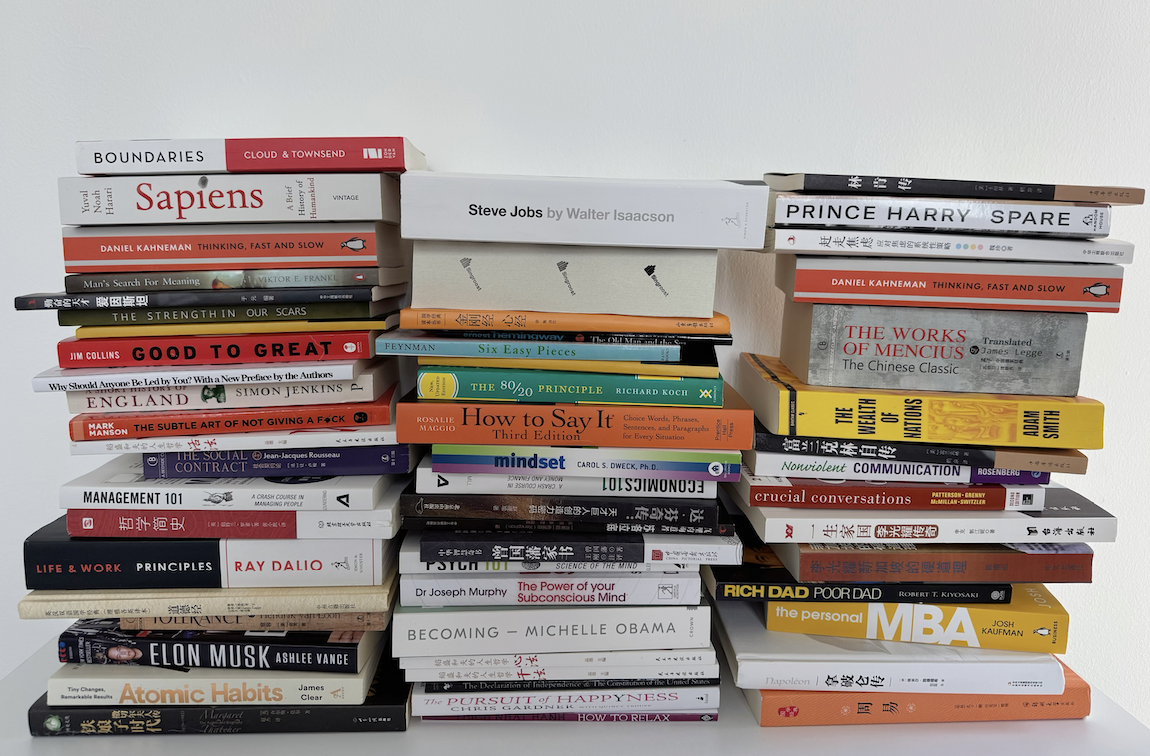
Studying abroad is not just about accumulating knowledge — it’s about sparking new ideas, broadening perspectives, and embracing different cultures.